
Introduction
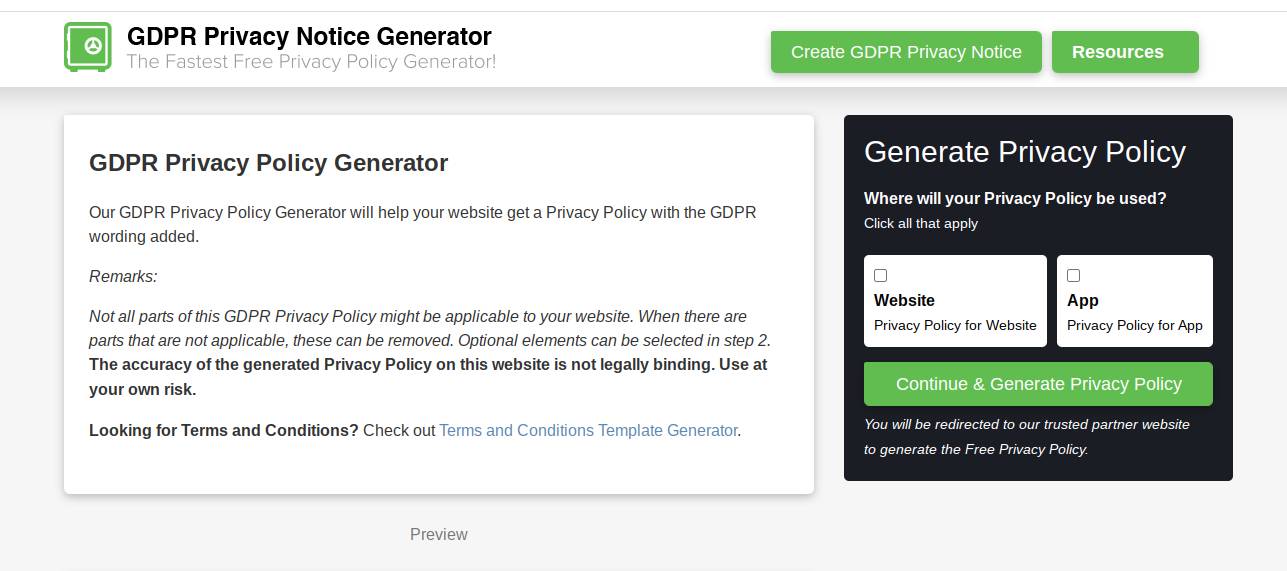
A free generator of privacy policies for websites, apps & Facebook pages/app. You can use our free generator to create the privacy policy for your business. If you have started a blog, you are likely focused on writing great content, designing your logo, and getting traffic. However, you might be overlooking a tedious but essential page called the Privacy Policy. Many new bloggers think privacy policies are only for big e-commerce companies or massive corporations. The truth? If your blog collects any data at all (including simple analytics or email signups), you likely legally need one.
Why is a privacy policy necessary for your blog?
The good news is that writing one doesn’t require you to spend a lot of money on a lawyer. In this post, we’ll explore how you can use a free privacy policy generator to protect your blog and build trust with your readers.
Before we dive into the “how,” let’s look at the “why.” The three main reasons you can’t skip this page are as follows: It’s the Law: Regulations like the GDPR (Europe), CCPA (California), and others require websites to disclose how they handle user data. Even if you only blog for fun, these laws frequently apply to you if you get visitors from these areas. Third-Party Requirements: Do you want to monetize with Google AdSense? Do you keep track of visitors with Google Analytics? These services actually require you to have a privacy policy in their terms of service. If you don’t have one, you could lose access to your accounts. Reader Trust: Transparency builds trust. When visitors see a clear policy page,
They know you take their privacy Seriously.
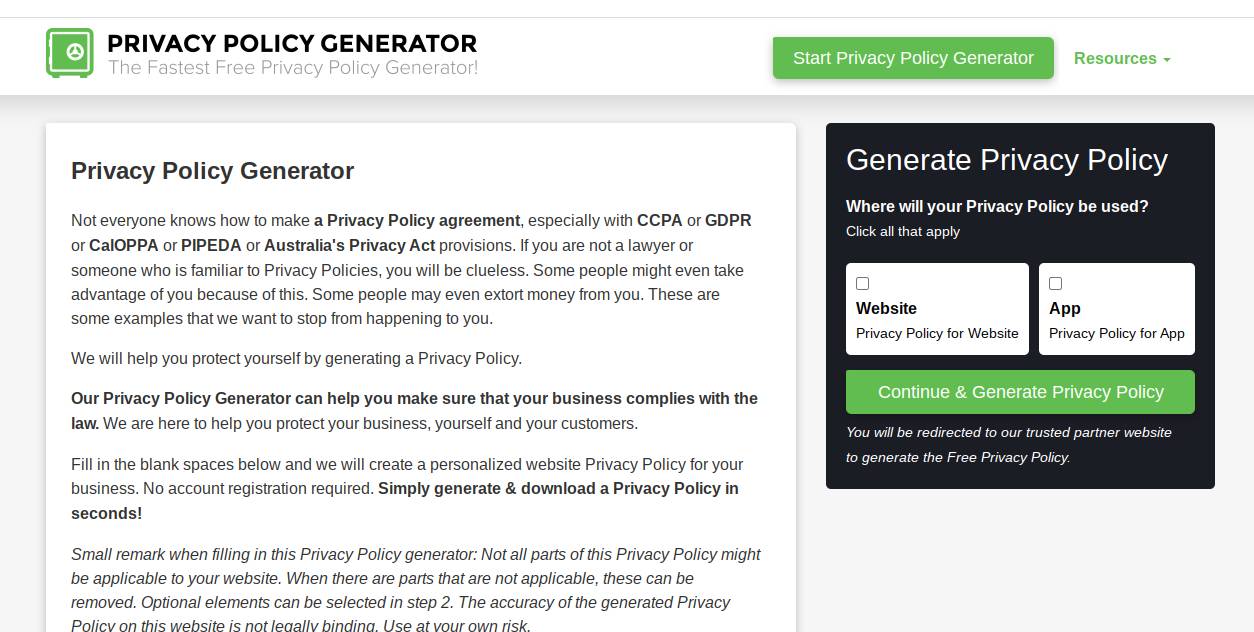
What exactly is a free generator of privacy policies? A privacy policy generator is an online tool that asks you a series of simple questions about your website and then automatically generates a legal document for you.
You simply respond to questions like: rather than writing complicated legal jargon yourself. What is your website name?
Are you a cookie user? Do you display ads? Do you keep track of email addresses? Once you click “Generate,” the tool creates a customized HTML or text file that you can copy and paste directly onto your blog.
Using a Free Generator: A Step-by-Step Guide
Most of the time, using a generator only takes five minutes. What can be expected: Step 1: Enter Your Details. Enter your website’s name, URL, and email address. Step 2: Select Your Tracking Methods. Be sincere here. Check the appropriate boxes if you use AdSense, Amazon Associates, or Analytics to include the relevant legal terms. Step 3: Review and Download. specific clauses are included.
Step 4: Create a Page on Your Blog. Create a new page with the title “Privacy Policy” in your WordPress or Blogger dashboard and paste the text there. Step 5: Add the link to your footer. Most websites place the link to their policy in the footer (bottom) of the site so it appears on every page.
What to Look for in a Good Generator
Not all free tools are created equal. Consider the following features when selecting a blog generator: Compliance with the GDPR and the CCPA: Make sure the generator includes provisions for international privacy laws. AdSense and Affiliate Disclosures: The policy must disclose this if you intend to earn money. Cookie Policy: It should explain what cookies are and how users can disable them.
Truly Free: Watch out for “free trials” that ask for a credit card to download the final text. Stick to tools that offer a basic text version for free. Learn More
Conclusion
Protecting your blog doesn’t have to cost a fortune. A free privacy policy generator is a fantastic tool for bloggers who want to stay compliant, get approved for ad networks, and focus on what they do best: creating content.
Don’t wait until you get a warning email or a rejected ad application. Take five minutes today to generate your policy and get it live on your site!
(Disclaimer: I am a content creator, not a lawyer. This article does not provide legal advice and is only intended for informational purposes.. Please speak with an experienced attorney if you have any specific legal questions.)











Jhan
Super article